25 October 2006

Bye Humid Bangkok, Hello Hazy Beijing

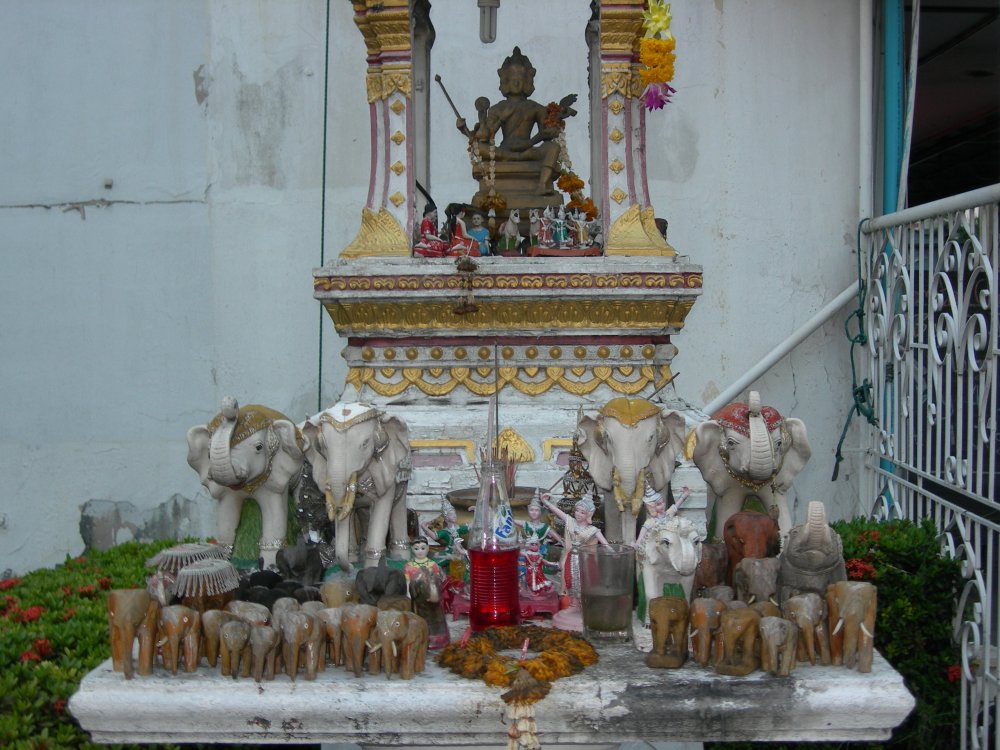
I left Bangkok after some final night-time wandering, where I realized that the Gods like Fanta, or at least it is offered to them at numerous small shrines.

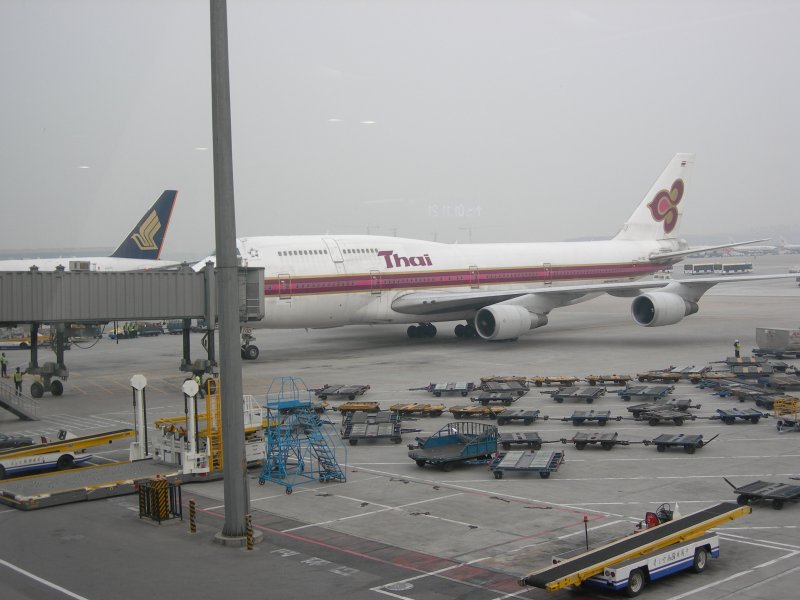
This is the new airport in Bangkok. The good things are that inside you think you are in a fashion shopping mall, and they have placed security checks near groups of gates, so there are never really long lines like at most airports. The bad news is that once you go through security to your gate, you are stuck. The gates are walled off from one another, and they take your ticket when you get into the gate area.

A hazy day in Beijing Tuesday. The air has cooled considerably from before I went to Mongolia. So here is a little story. What do you do on a hazy day in Beijing?

Why, you go to Wangfujing, and in particular to the side alleys branching off of the main shopping street.

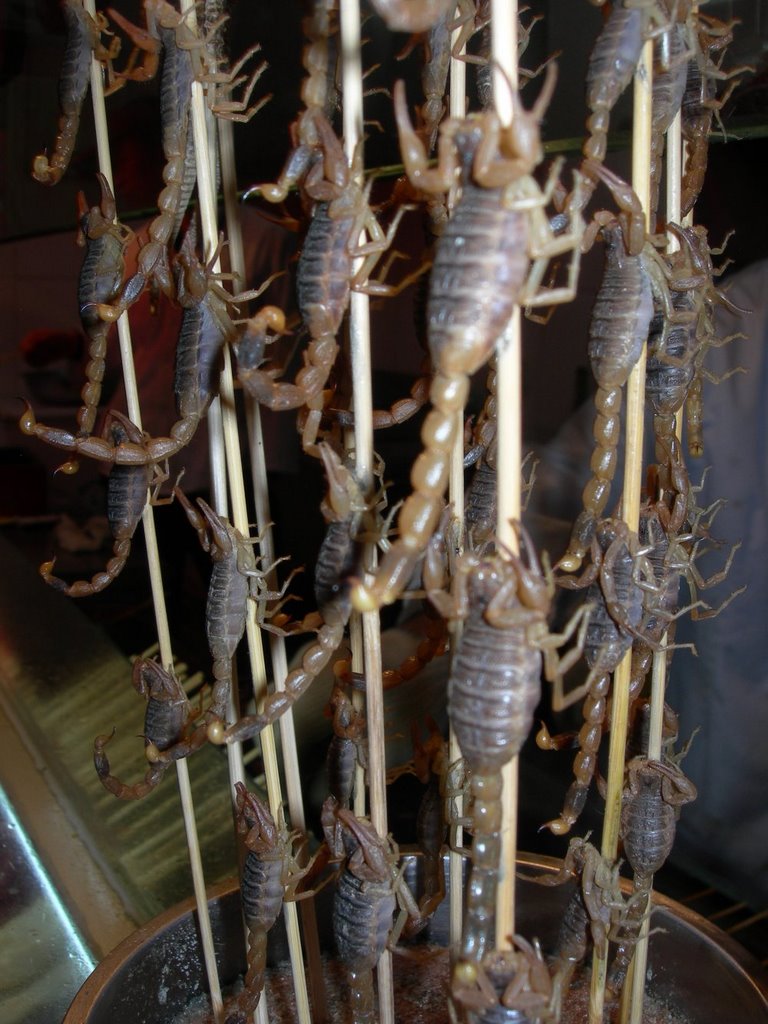
There, you can find delicious snacks, such as these. They were so fresh, their legs were moving and they would try to sting you if you reached out at them.

Yes, they taste something like potato chips, though the tail is the best part as it is crunchier.

After a tasty snack, head over to the Beijing opera. This performance was by a group from Shandong, and the play was an allegory for maintaining brand image, respecting IPR and being honest, not a cheat.

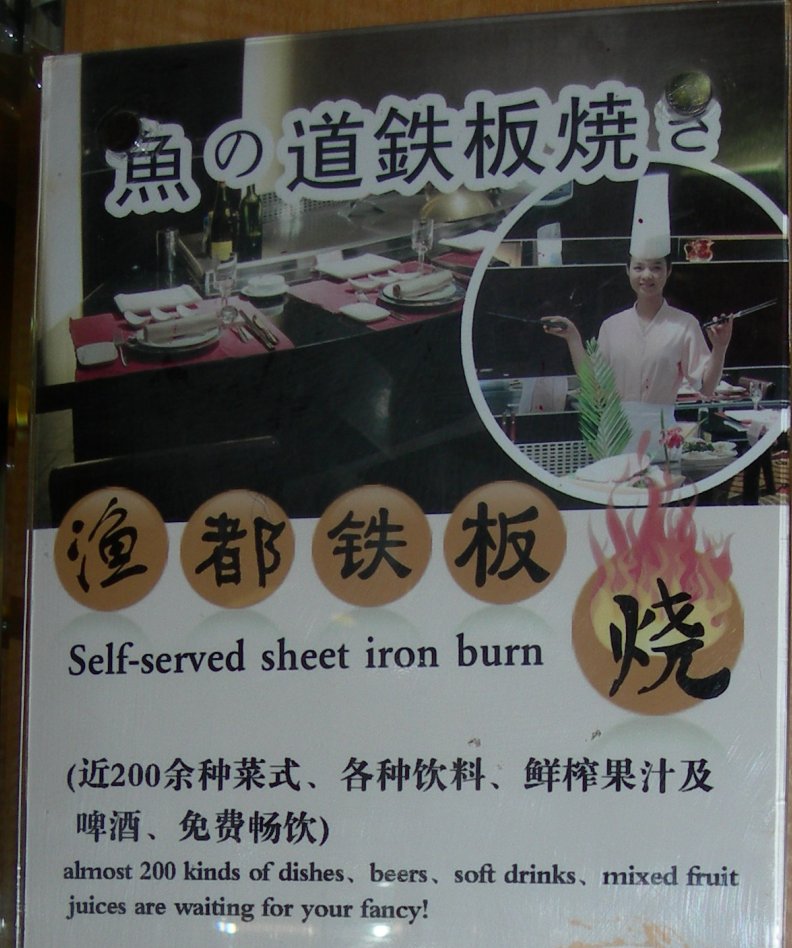
Then, if you did not enjoy the scorpions (or the sea horses on a stick you could get there), you can head back to the hotel for a self-served sheet iron burn. This is why Benihanna doesnt let the guests cook...

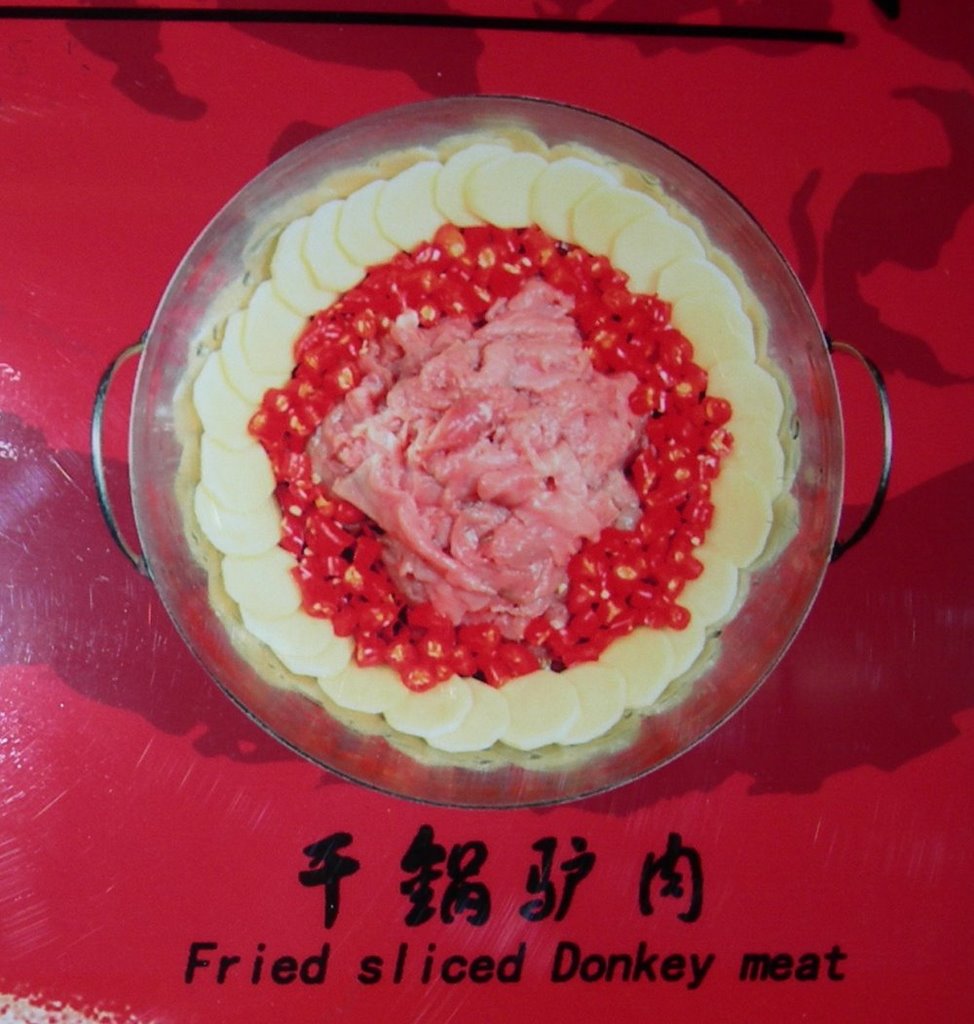
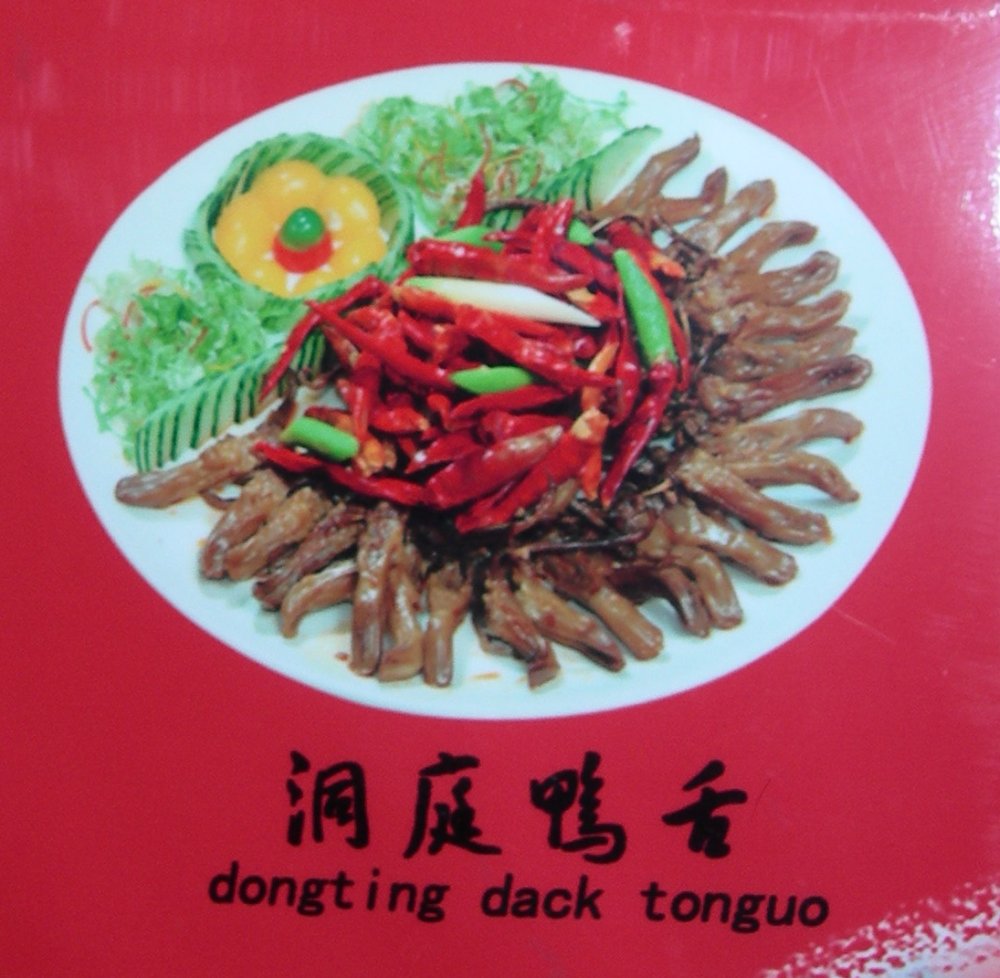
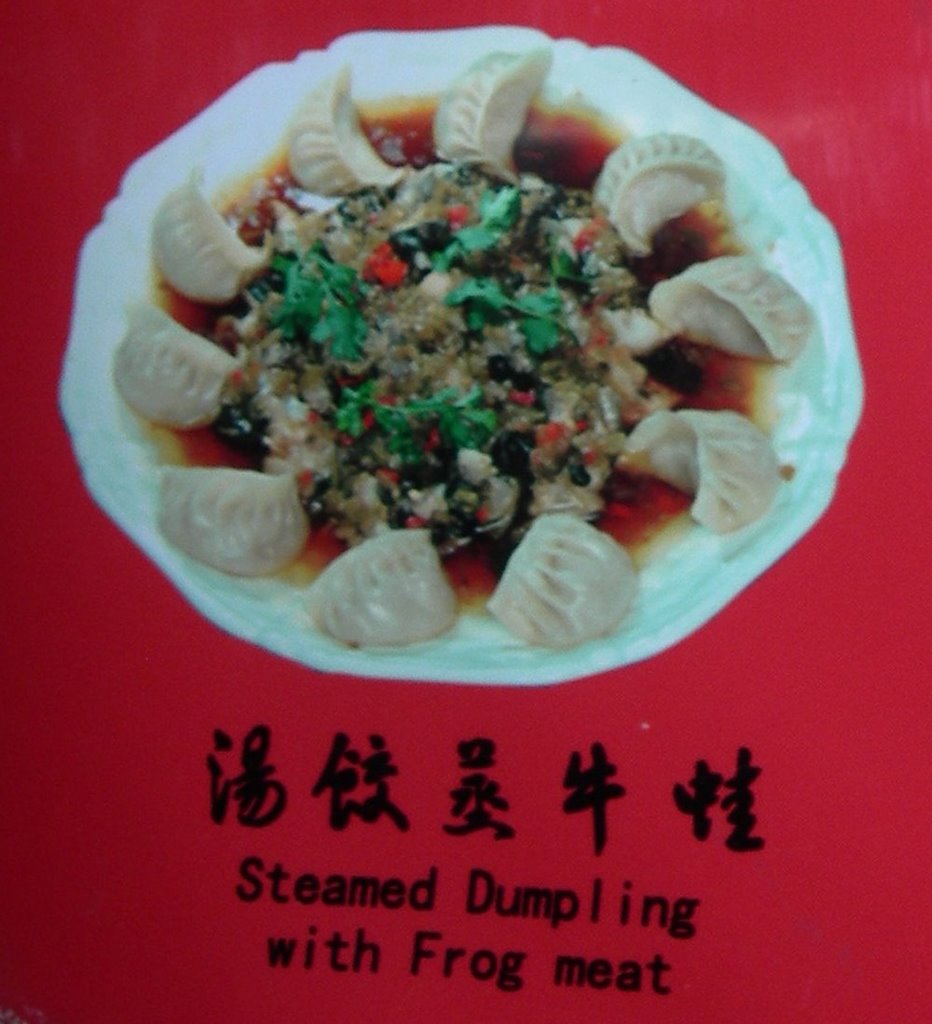
If the burn wasnt good, try the other restaraunt for the following tasty dishes.


Yummmmm! Donkey, Duck Tongue and Frog dumplings. Is there anything better?!

22 October 2006

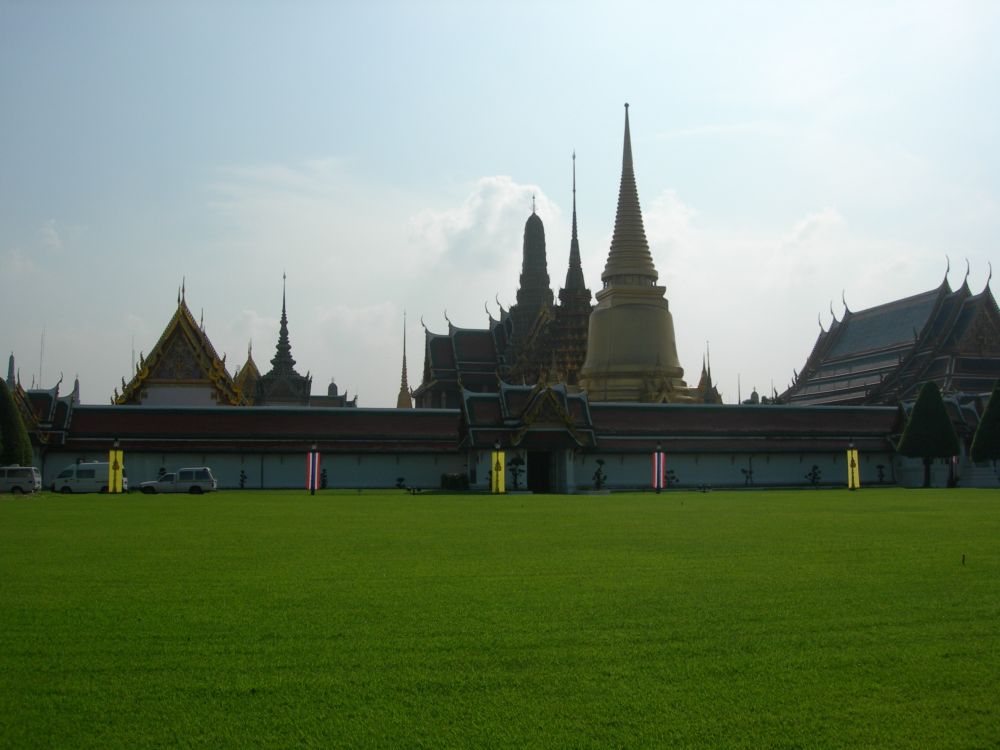
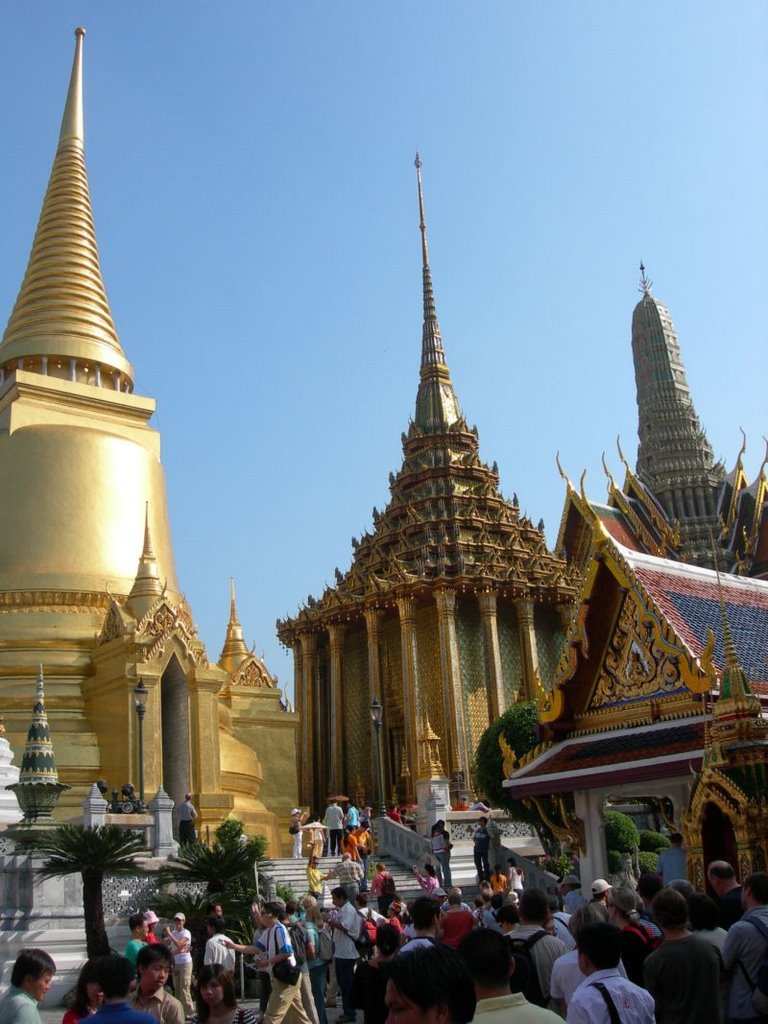
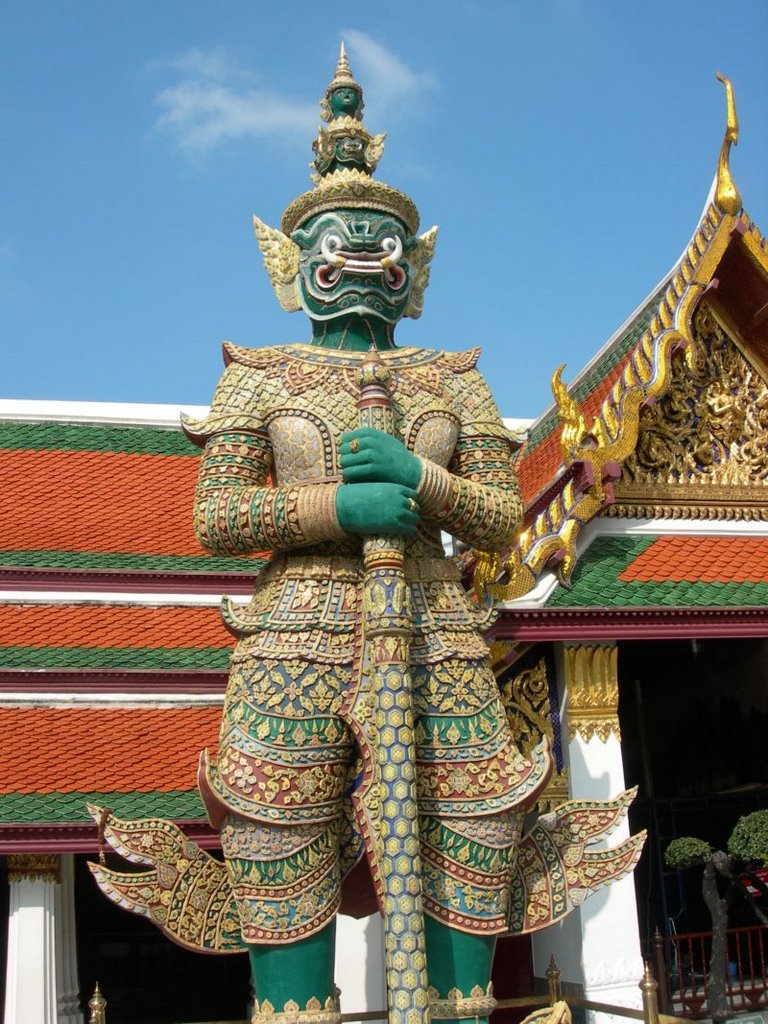
Bangkok. Where Royalty Went Glam.

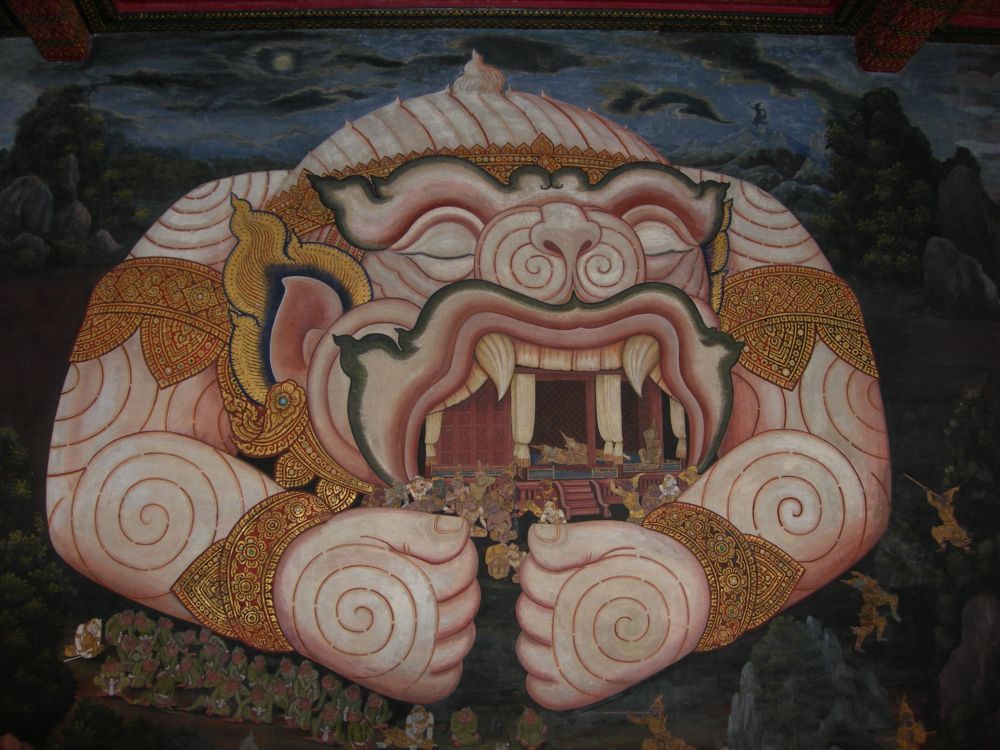
If Disney and Barbie got together and designed a jewelry castle, this would be it. Clearly the Thai kings liked their glitter and glam...


21 October 2006

Pattaya

October 20, 2006. I left behind the muddy waters of Texas lake diving for the blue of Thailand. The taxi picks me up at 5 AM, a thin crescent moon smiles down wanly on the cab as it passes through the streets of Bangkok. Two motorcycles, police lights flashing, escort a minivan racing through the streets. "Embassy," says the driver, refering to the minivan, before muttering, "Police in Thailand no good. Taxi, TukTuk, much money. No good."

We drive on, the sky lightens as we, revealing palm trees, silhouetted like the shadows of fireworks frozen mid explosion. A mountain rises ahead, green-grey in the morning mist. We skirt around its edge, the road spotted with billboards advertising the Pattaya outlet mall, and with small restaurants, eating stands with tin-covered patios. The high peaked roof of a temple, under construction, breaks through the canopy, the framework for future peaks arrayed like a spider web, mirroring the lines of the main structure.

The sky lightens more. Pale peach blending into turquoise blue. Thai pop music on the radio, the singer occasionally breaking into English strains, insisting he "needs somebody." Mountains in the distance, mist-shrouded palms closer to the road, a Jurassic Park landscape. The hot-pink sun pushes over the ridge-top, straining against the veil of mist. Robed monks walk along, pausing for prayers and their daily collection of breakfast. The temples nearby are ornate; multiple peaks, curving upwards, white and gold fire reaching toward heaven.

Pattaya. The Ronald McDonald statue, hands folded in his Thai greeting, stands before the burger joint, welcoming customers. A quick breakfast at a mini-mart, and off to find the pier. The international meeting street, where last night's drunks wander today's streets and a few early… ladies… offer unspeakable services (though they speak quite openly about them). As you near the pier, trees and flowers replace the bars, the smell of the sea blows away the smell of stale beer.

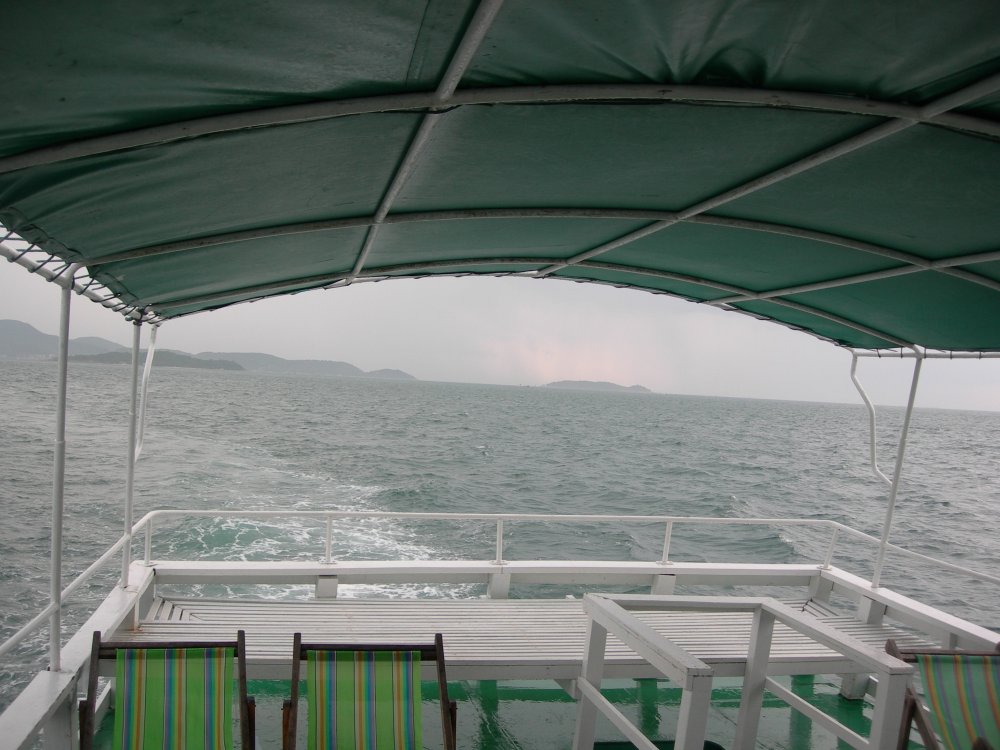
On board, and off to the islands for some diving. The conditions were not as clear as I expected, but there was abundant life, and yes, I finally got to see a shark while diving (but only a little bamboo shark, maybe as long as my leg, lounging under the coral). The water on the two drift dives was not exactly crystal clear, but there was plenty to see, from corals and sponges to anemones to fish and eels, nudibranchs and sea cucumbers, and the occasional jelly fish. On the second dive, we came up and the boat was not to be seen. We were near the island, so there wasn’t too much to worry about, aside from the rapidly darkening sky and lightening in the afternoon thunderstorm bearing down on us. The boat came around the bend in the island, and we got on board a minute before the clouds let loose with a drenching downpour – natures fresh water rinse as it were.

The bus ride back was long and slow – no wonder it is only 121 Baht (less than four bucks). Had it not been dark, and everyone trying to sleep the trip, it may have been an interesting way to meet people. But instead it was just uncomfortable, and to top it off, my shoes were soaked from the rain. Ah well. The sky train is nice, and much better than the taxi drivers who offer you a ride without the meter for 100 baht (with the meter it would be more like 50).

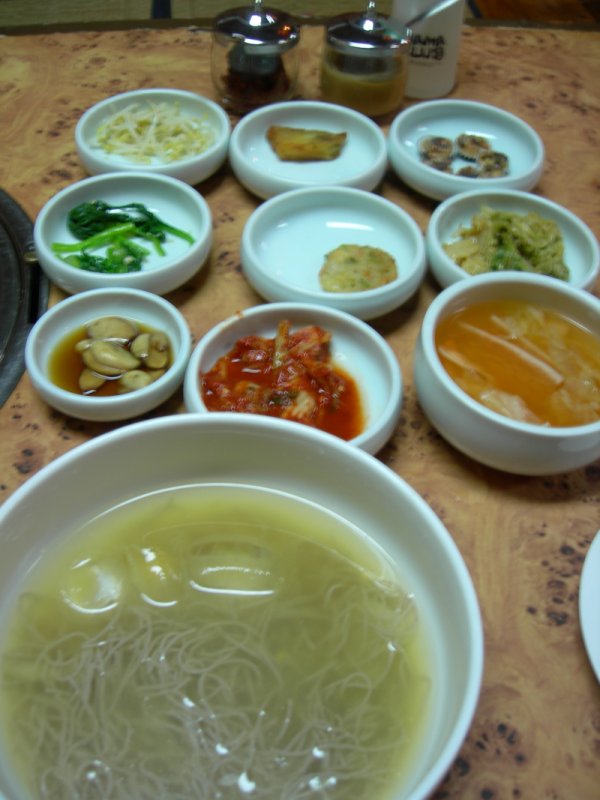
Tonight (Oct. 21) there is something going on. The sounds of explosions echoed off of the buildings. My first thought was a counter-coup. But it turned out to be fireworks. Low, bright and loud. The smell of the gunpowder in the air. But the food at the Shinla Korean restaurant nearby is quite good.


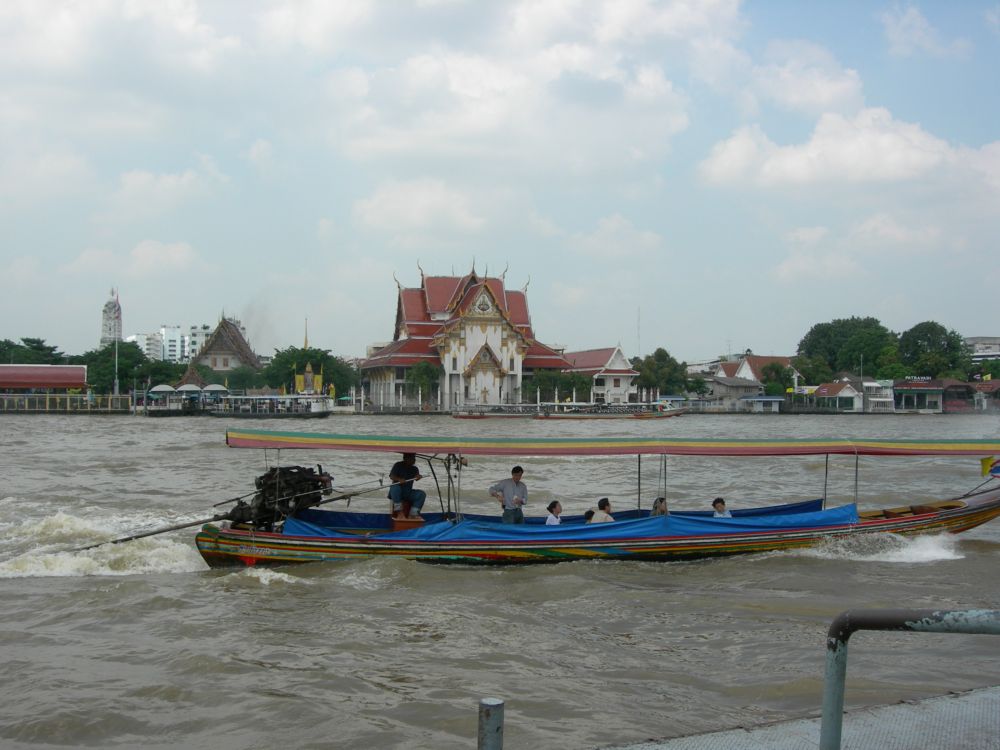
Boats by South Pattaya Pier.

In the bay. Note the numerous parasails as well. Thick like kites on Tienanmen Square.

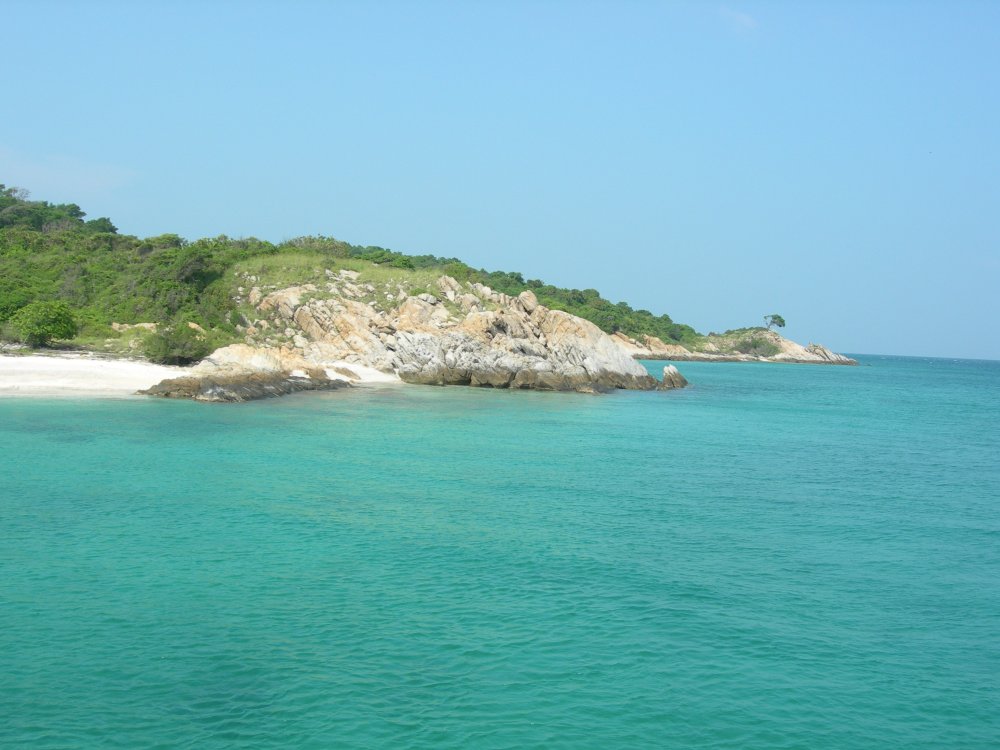
The dive site.

And again.

A view back at the distant rain.

MulNaengMyun at Shinla restaraunt.

20 October 2006

So Long Mongolia. Hello Thailand.

This update is a bit late. The internet is not cooperating with me. I have left the cold dry wind of Mongolia for the still, sticky air of Thailand. The smells of flowers and incense blend with sweat and car exhaust in a humid mix that envelops everything. In the alleys and side streets, where modern Thailand has yet to invade, there is a struggle as nature seeks to reclaim the concrete and wood; moss, algae, vines, flowers, spread and climb, green enshrouding the dusty grey.

The complete lack of security forces is very notable. For a country under martial law, a month out from a coup, there is no sign of the military. Now, I haven’t been everywhere, and I hear that there are still some posted near government buildings, but many of those are there year round already. This is a country where a coup is the normality and a series of democratic elections the anomaly.

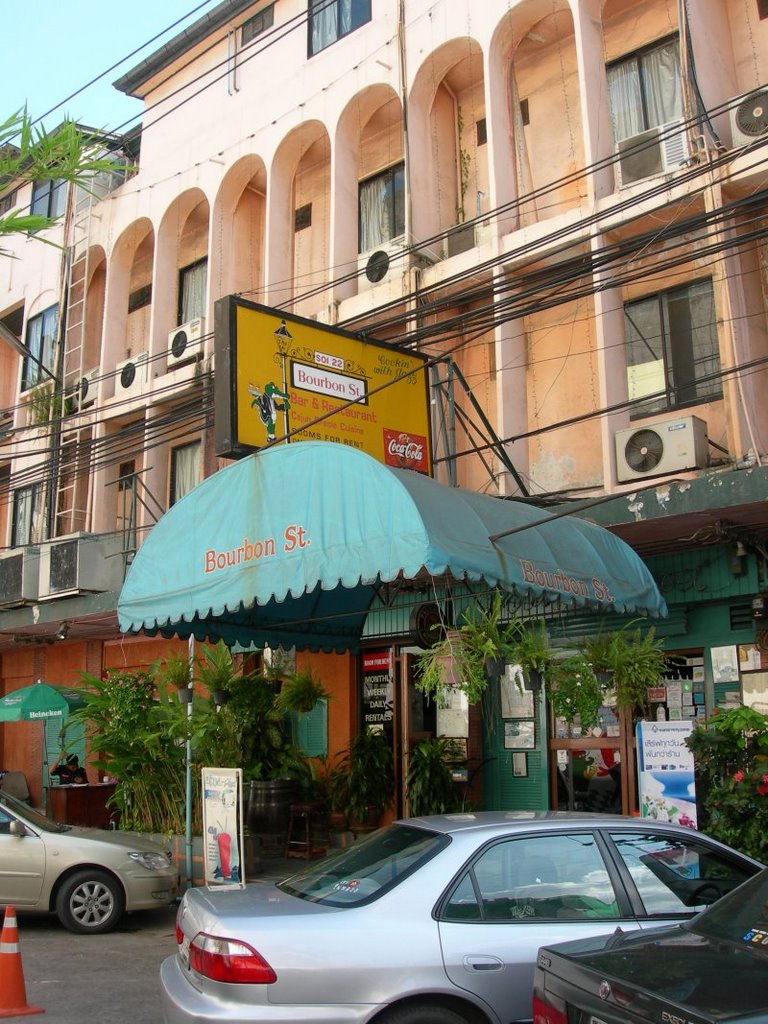
Traffic is much less chaotic than Mongolia, and the roads are owned by the motorbikes. When the light turns red, they weave their way through traffic to the front, so by the time there is a green light, there is a massed pack of motorbikes waiting to move. Food stands, clothing stalls and trinket sellers pack the sidewalks and roadsides, at least in this part of town, and there are innumerable massage parlors, tailor shops and bars. Keeping with the oddities of this trip (I had dinner at an Indian/Mexican food restaurant in Ulaan Baatar) I ate lunch at a Cajun food restaurant in Bangkok.

Tomorrow it is off to Pattaya for a day of diving.


One of many commemorations for the King.

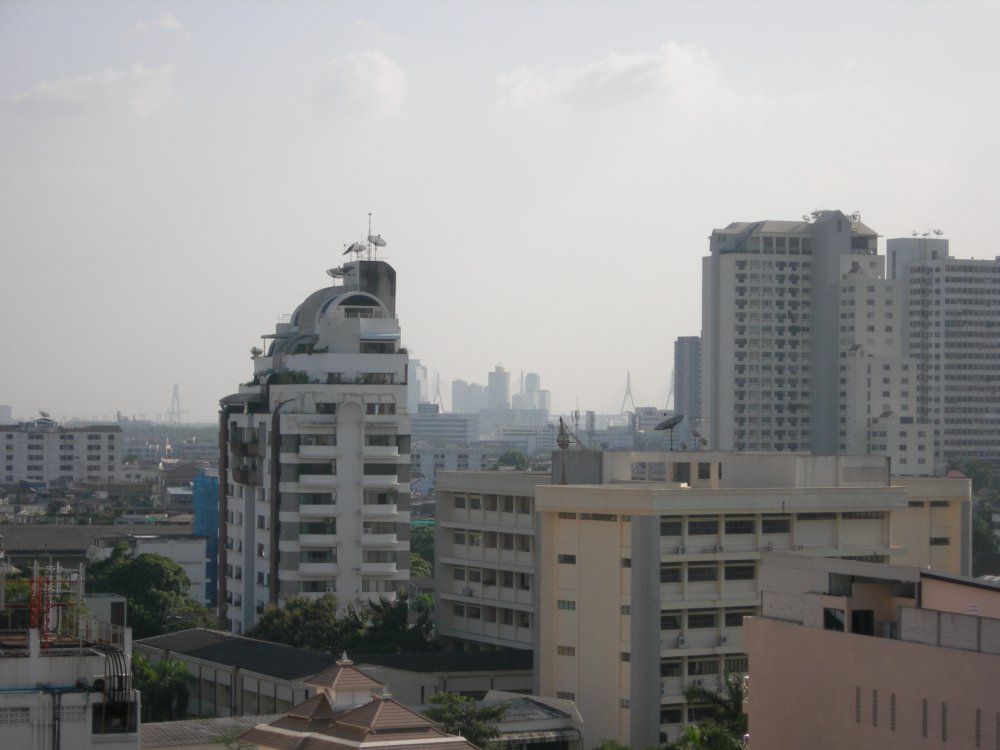
Bangkok from my hotel window.

Cajun food in Thailand.

The orchid upon arrival.

Suchada.

Kublai Khaan.

Indexican food? In Mongolia?

One of several small cafes in Ulaan Baatar.

Where cashmere comes from.

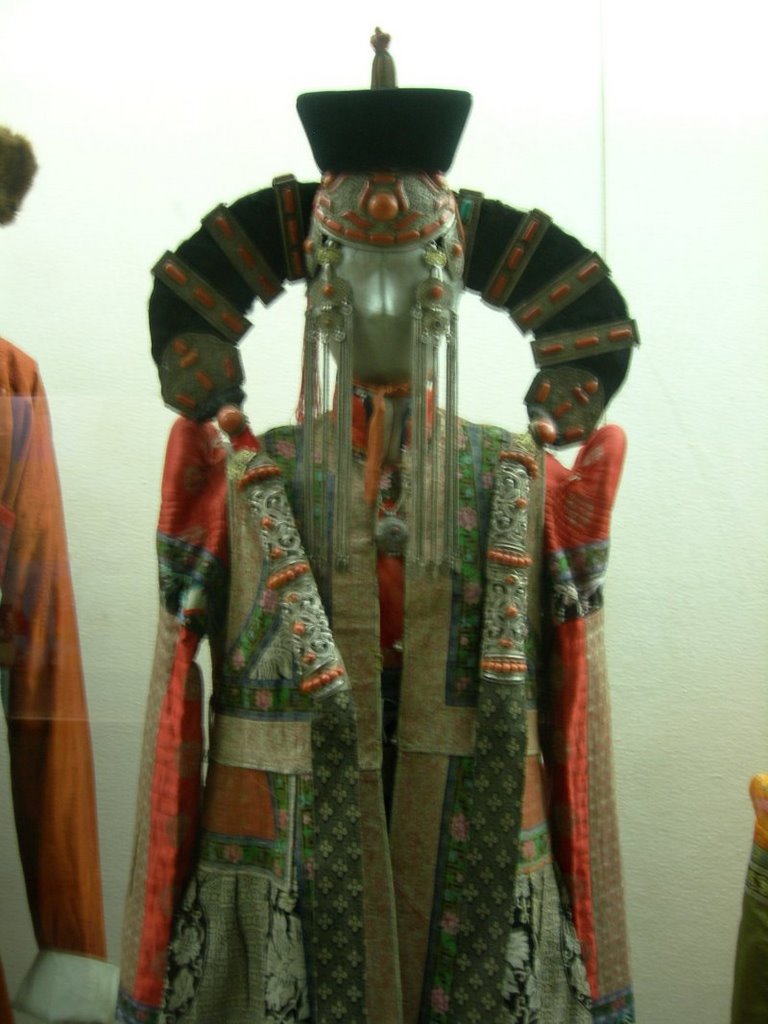
Queen Amidala was Mongolian???

18 October 2006

Memories of Mongolia

061018 1154 Sunbird Digital Relaxation Harbor

I am sitting in the Sunbird Digital Relaxation Harbor on a hard chair but in front of my laptop. Mongolia is now behind me, Bangkok lies ahead, and I relax in the harbor, in limbo between legs of the trip.

When I arrived back in Beijing, I went down to the bottom floor to have some coffee and cake (I ordered a Danish, and got chocolate cake…), a couple of Russians came in to get some food. They conversed haltingly with the Chinese wait staff in English. Proof positive the U.S. won the Cold War; the Chinese and Russians use English to communicate. (In this case, the Chinese far exceeded the Russians in English ability). Cultural issues also arose, as the Russians needed instructions in the use of chopsticks, and asked for "potatoes with no salt in hot water," meaning boiled potatoes, but the poor Chinese could only respond that they had French chips style potatoes.

Mongolia was a very interesting place. (More photos later, as I don't have my connecting cable with me, but left it in the checked luggage.) Ulaan Baatar is neither a Western city nor an Asian city. It is a border, a frontier, a crossroads of culture, commerce, and communication. Whereas major Chinese and South Korean cities, when they were going through their emergence, had very few foreign foodstuffs, Ulaan Baatar has nearly everything any expat could want. There is no reason to feel nostalgic or homesick as long as you can get pretty much any ethnic food on the planet (I even ate at a very nice Indian/Mexican restaurant). In fact, one could even make a visit to the city just for the tour of restaurants, bars and cafes.

This was one of the unexpected parts of the visit. Now, I made sure to have no expectations for this trip; I wanted to be surprised and not jaundice my view before I even arrived. But a cosmopolitan city, one with a bakery run by an Austrian, an Irish pub with its own jazz ensemble, a Cuban/American cafe run by… you guessed it, a Cuban and an American. This was certainly not in even the glimmers of anticipatory mulling. It is a city of dichotomies. It is Asian and Western. It has a big city feel in a small city space. It is fast paced and unhurried. There is modern infrastructure, high-rises, and neighborhoods of Gers. There is anticipation in the air, and little organization to fulfill the promise. It is a place where the revolution against the revolution got halfway accomplished and fizzled out. The Stalin statue is gone, but Lenin's remains.

It is this half resolution, this lack of motivation, that may be the biggest shortcoming. If you talk to the Mongolians in the city, they recognize they have a long way to go. They see the massive wealth gap between the government officials and business moguls and the urban poor. They see corruption, share stories of rumored nepotism and collusion. But they also proudly say there is no homelessness or starvation, despite the massive endemic poverty. This is telling. The lack of starvation and homelessness (assuming it is true) is a reflection of the ability of the traditionally nomadic culture to simply subsist. There are whole neighborhoods of Gers, the felt-covered round houses. They are content to live in them. The food is cheap, people eat. They are comfortable with what they have.

This is admirable, in part. It is good to be satisfied with the simple things. But it also means there is no motivation to learn more, to be more, to do more. Service in Mongolian establishments is spotty. Unlike China or South Korea, there is little competition for the service jobs. So there is little motivation to do better. No one is standing on the street corner waiting to take your job. Even if they don't have a job, they don't seem to be in a big hurry to find one. The contentedness, the complacency, leaves the society as a whole largely unmotivated. And so, while individuals may be strongly motivated, overall there isn't much push internally for improvement. The economic development, the construction, the new businesses, are all foreign investments, foreign operations.

Like the breaking away from Communism, where they joyfully gathered on a cold February day to tear down the statue of Stalin in front of the library but got bored, lost motivation, and never bothered to tear down Lenin over on a different street. This is the way political reform has gone, and domestic economics. And it is holding Mongolia back. This is a nation already constrained by its borders, by being sandwiched between two super powers that don't trust each other, its own borders largely artificial constructs of previous periods. As one student told me, "We used to be dependent upon Russia, now we are dependent upon China," but they don't like or trust either neighbor. But without a strong internal power, three is an acceptance of the reality that Mongolia will always be a vassal, despite its own expansionist history.

That said, the Mongolians are literate, polite and overall very likeable people. They are friendly, they do a better job of speaking their guests' languages than foreigners do of attempting Mongolian. They are open and generous, willing to try new things and new ideas. It is an interesting environment to visit, a very open and welcoming city, with a little something for everyone. And this doesn't even get into the natural beauty of the land just a few kilometers from downtown.

15 October 2006

Temple Ruins, Snow, and Shukhbaatar Square

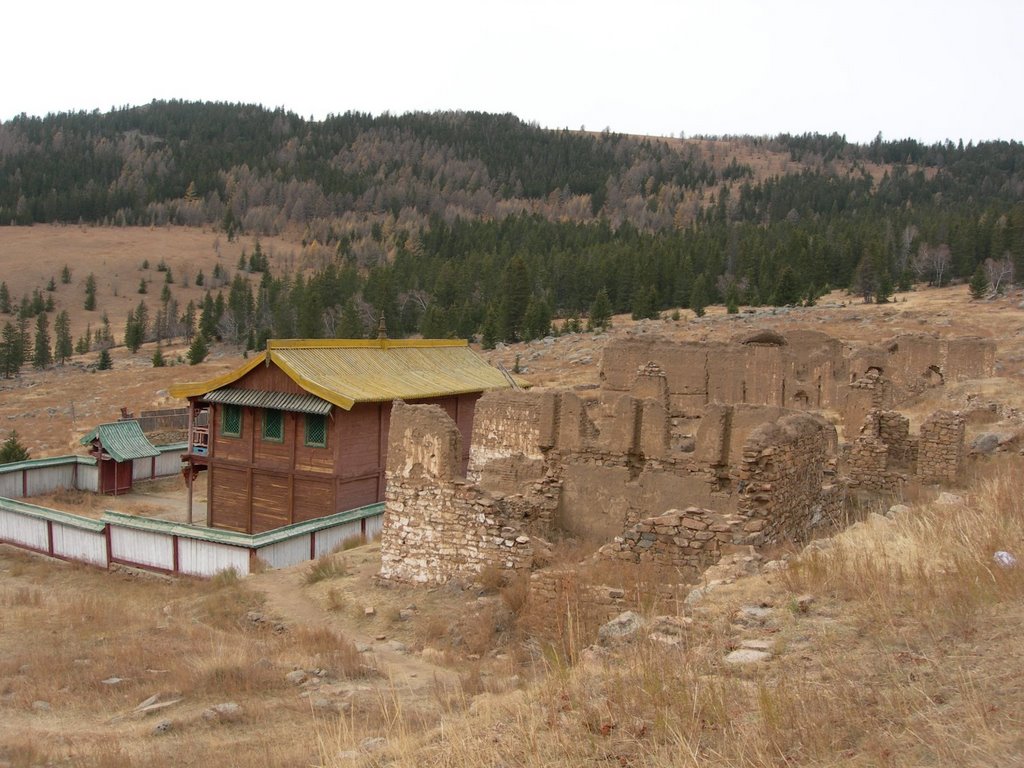
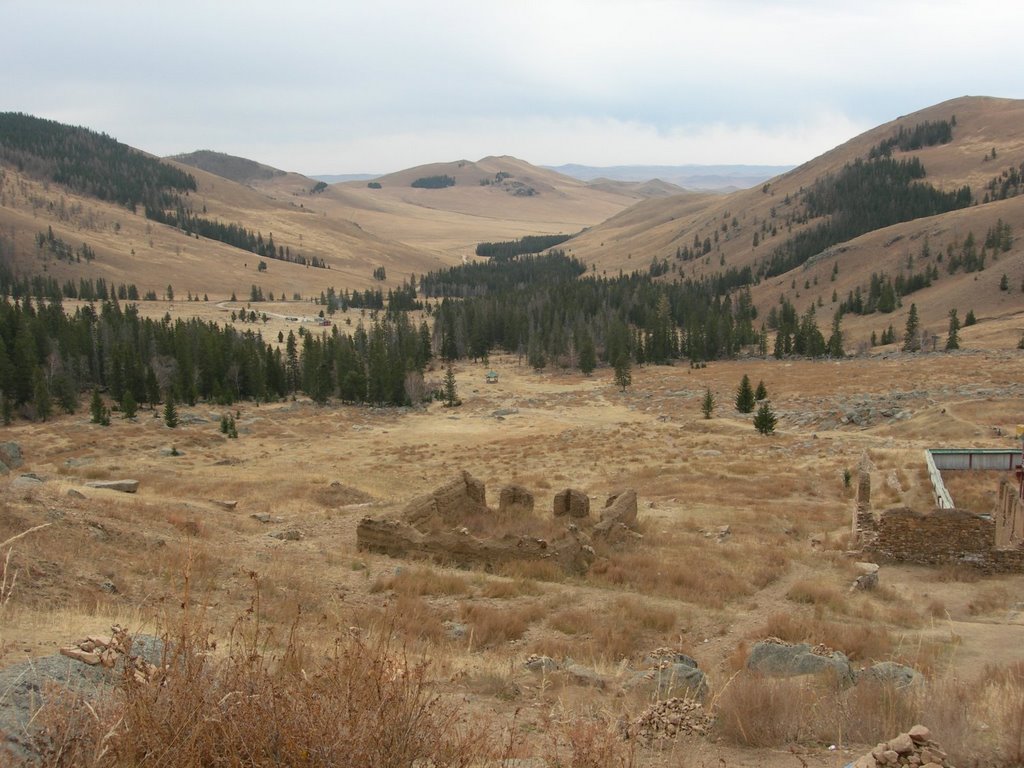
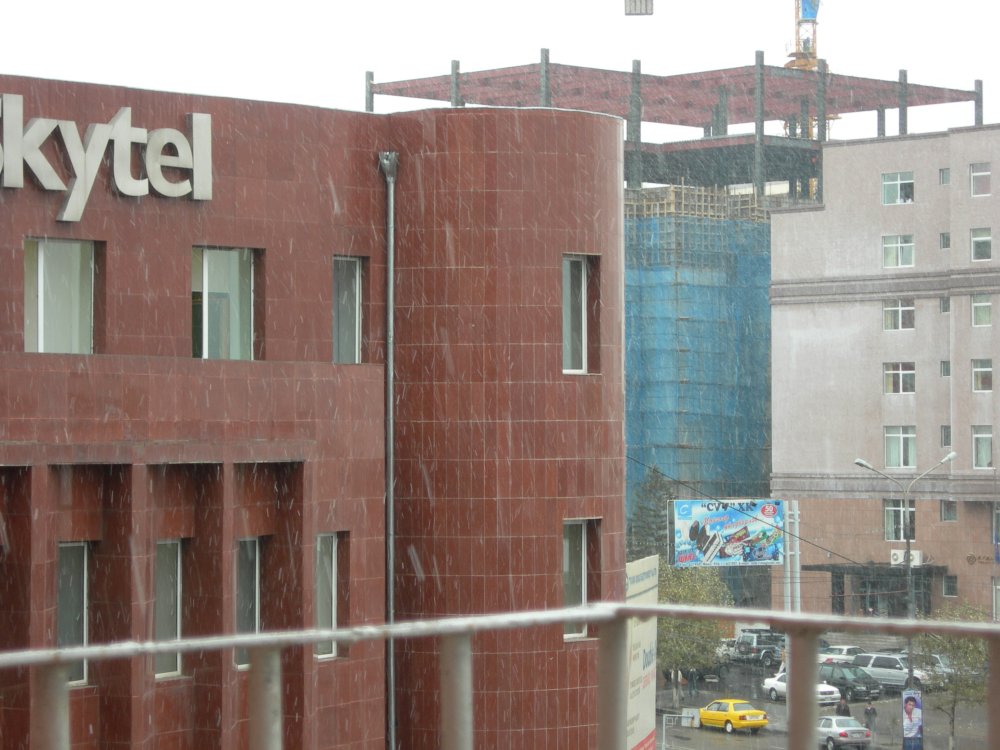
We took a drive out into the country this morning, the air was fresh and thin, the road trip was harrowing to say the least. Just out of Ulan Bator, it seems like you are hundreds of miles away from any city. As we drove through one of the many winding valleys, a hawk circled overhead, sheep and goats grazed on the hillside, a Mongolian herder walked along with his dog. We drove out to Manzushir, an old Buddhist temple destroyed by the Communists. The Buddha images carved on the rocks were burried at the time, covered with dirt, to spare them the destruction. After returning to Ulan Bator, we had Korean food for lunch, and came out into a mix of rain and snow that turned to snow shortly thereafter. When it cleared up, it was out for another walking tour of the city.

Two images of Manzushir. When it was active, it had several buildings, now just stone terraces and broken walls.


SNOW!


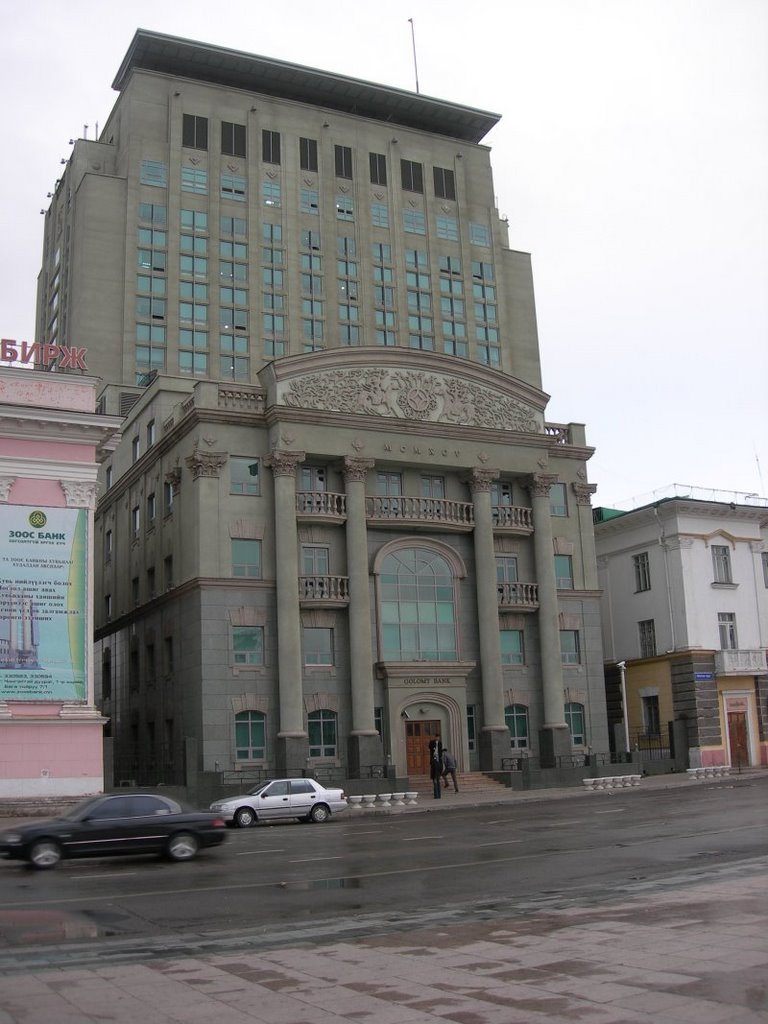
Golomt Bank on Shukhbaatar Square.

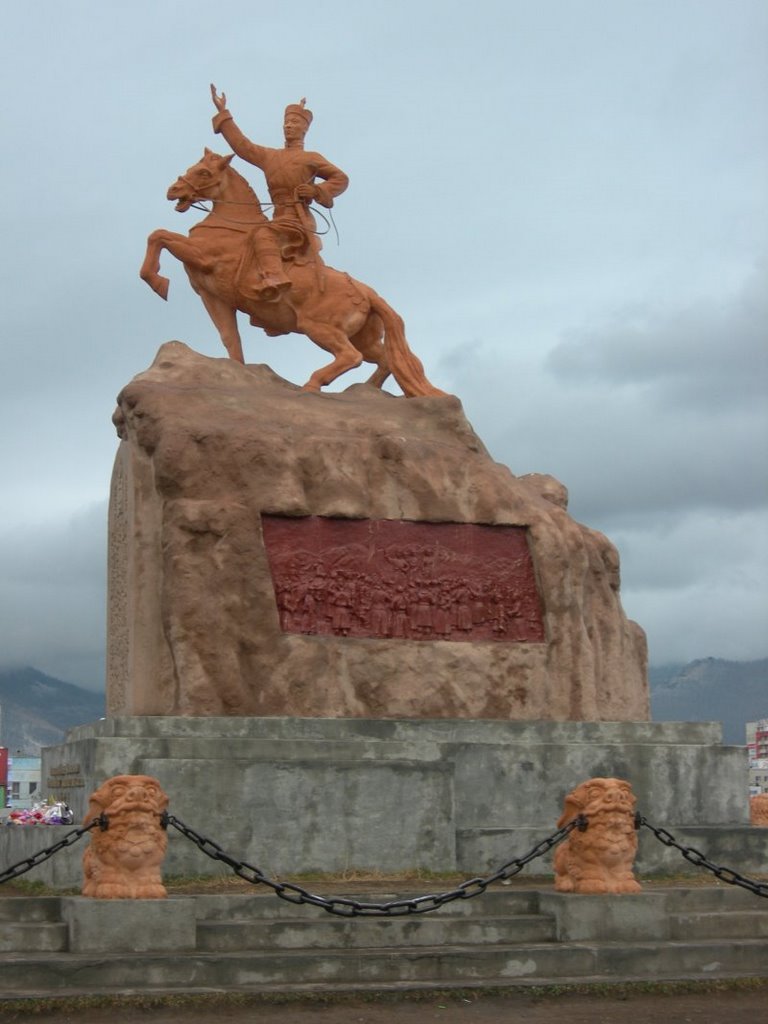
The statue in the square, a Communist hero credited with the founding of the modern Mongolian state, but this is growing more contested as history is re-assessed.

The square, with the snow on the distant hills.

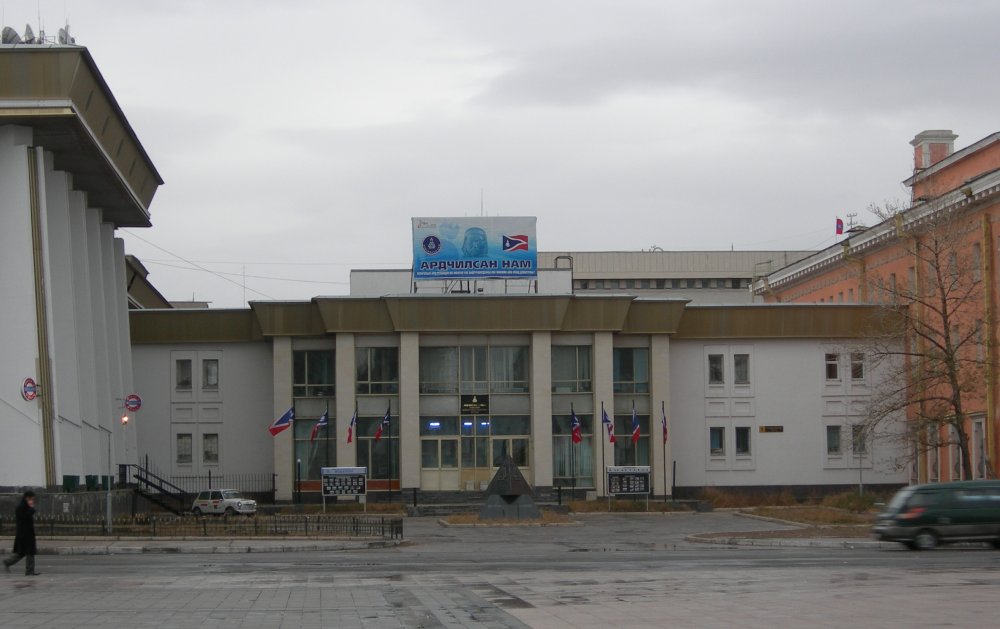
The headquarters of the Democratic party. On the main square.

And every former Socialist city needs its Lenin!

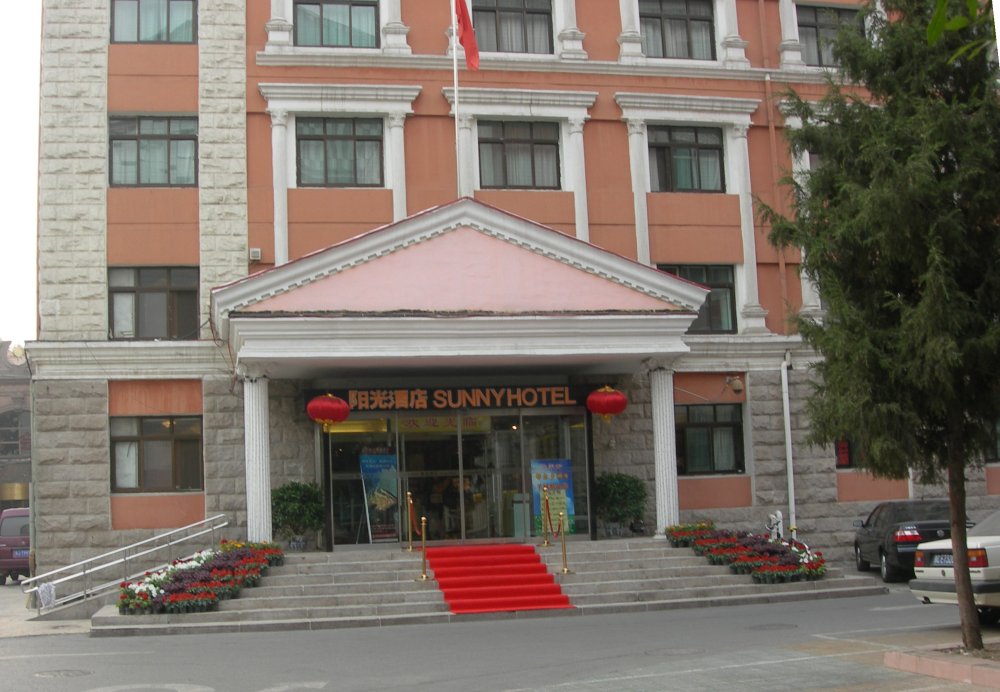
Good Bye Sunny Hotel, Hello Sunny Ulan Bator

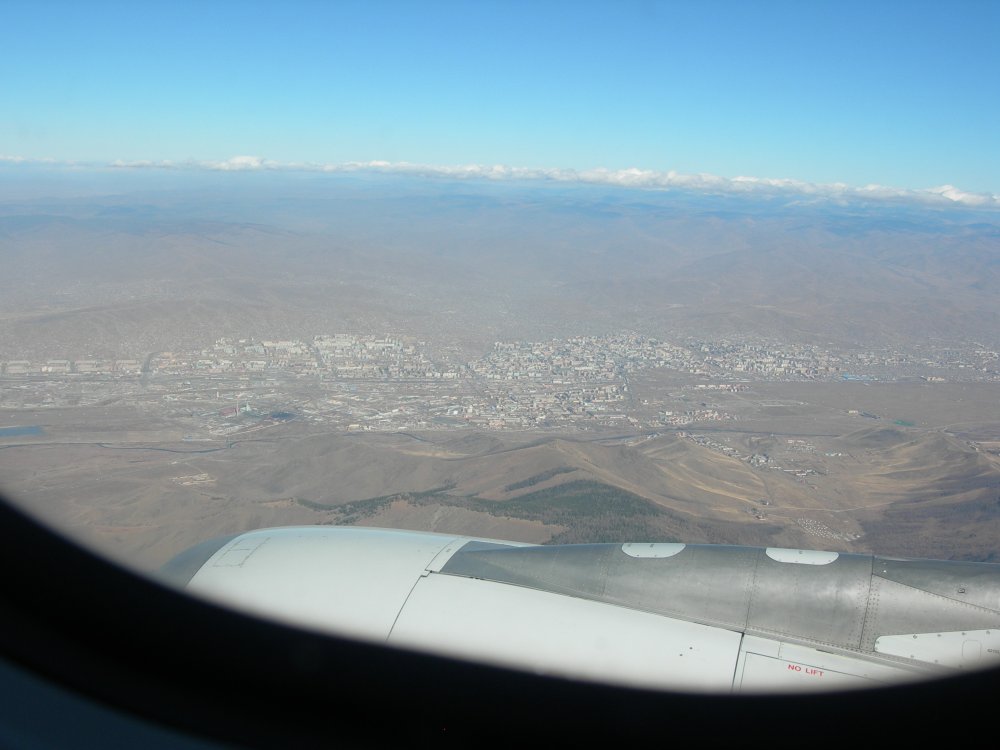
Good Bye to beijing, Hello to Ulan Bator (or is it Ulaan Baator?). The city stretches along the Selbe Gol, flowing out between the hills. There is, unfortunately, a heavy haze of pollution over the city, but nothing compared to Beijing. It is bustling. Mongolians, Japanese, Chinese, Koreans, Russians... Today will be a trek into the countryside, to see the real Mongolia, then back to the City.


Sunny Hotel, Beijing. Sunny Ulan Bator, Mongolia.

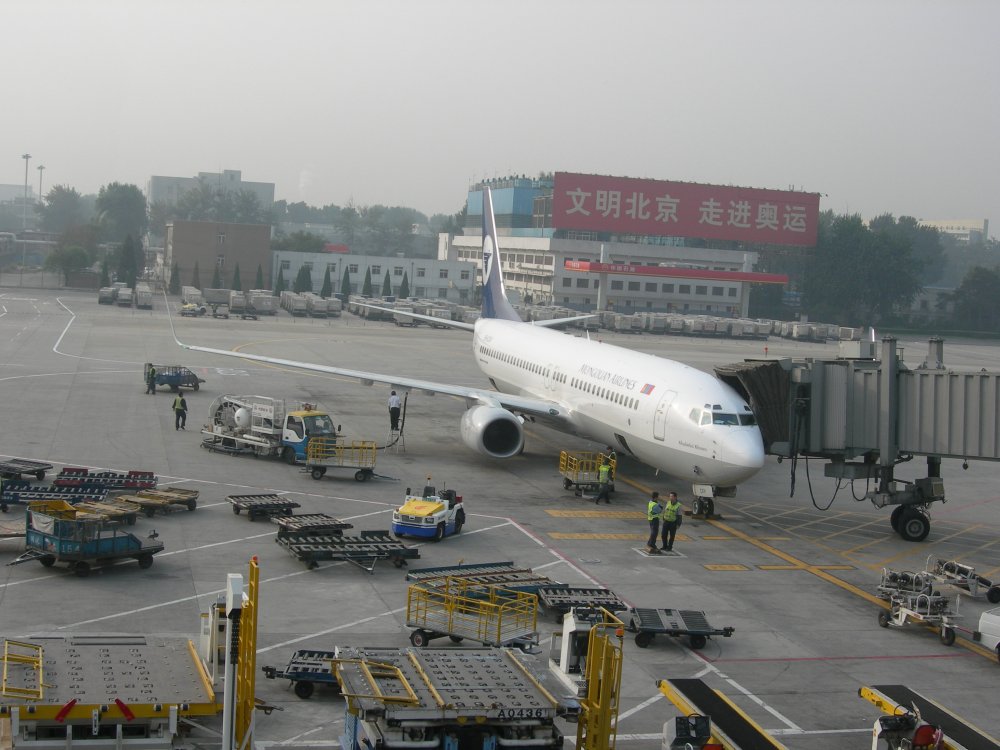
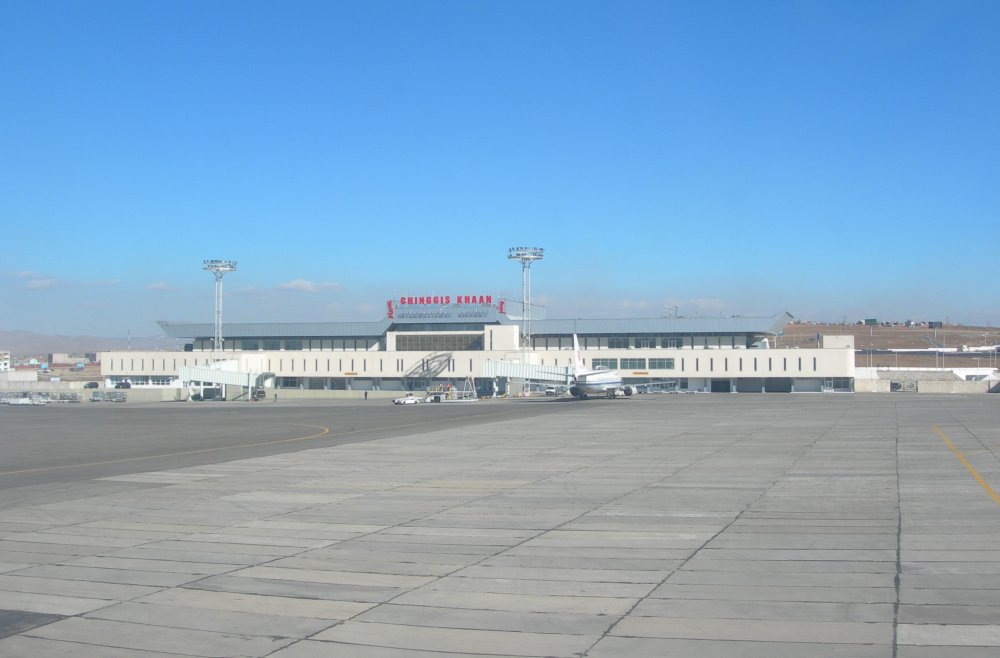
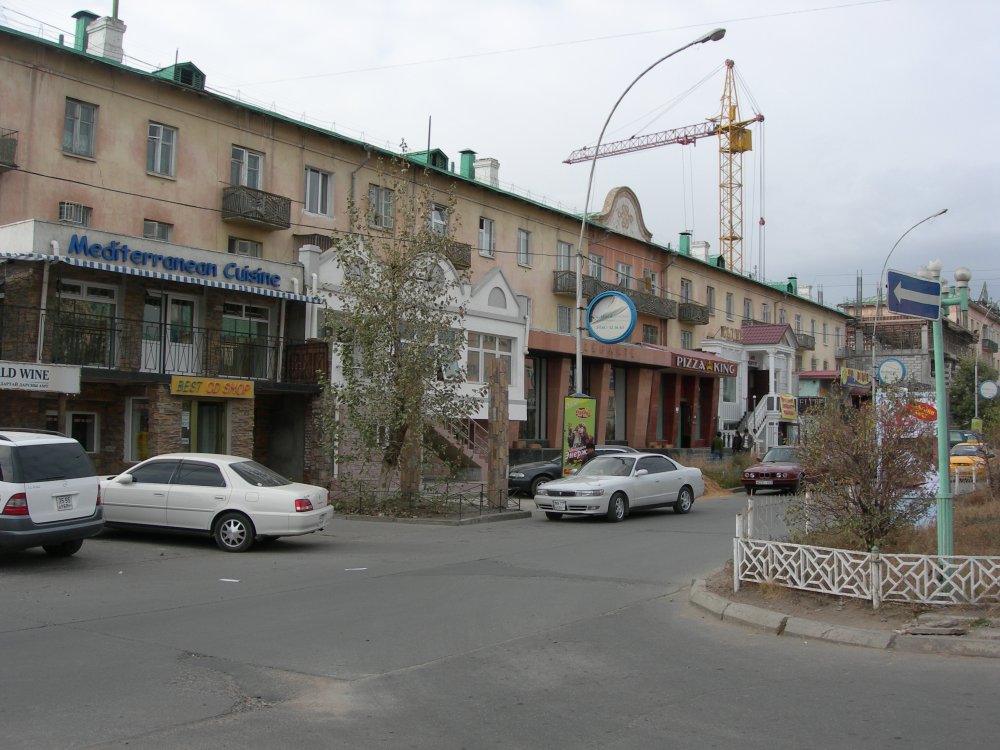
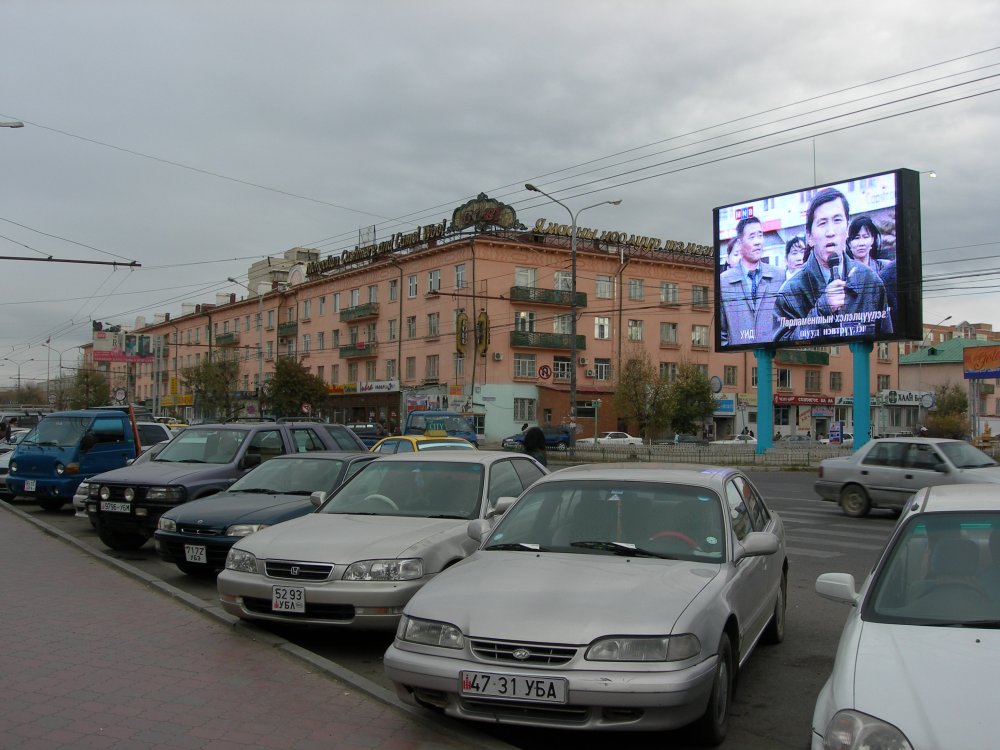
Chinggis Khaan Airport. (Poor Chinggis, Ghengis, cant have a common spelling for his name yet). Below are pictures of downtown shopping.


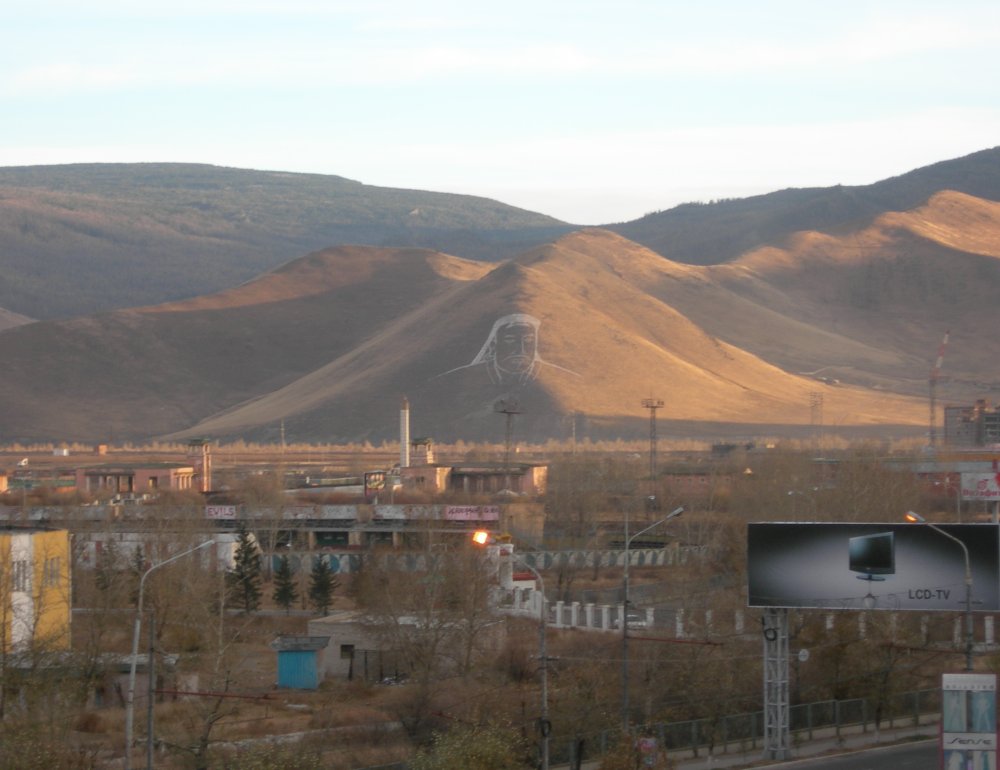
Chinggis on the hillside (a view from my hotel).